Commercial Waste Downham

Commercial waste removal in Downham should be straightforward, dependable and suited to the way your business actually works. We provide a practical service for recurring and one-off loads, helping local organisations keep premises clear of unwanted waste, old fixtures and mixed commercial rubbish. The focus is on sensible collection, careful handling and an organised route from your site to the appropriate disposal or recovery point.
Our commercial waste service can support shops, offices, landlords, workshops and other premises that need waste taken away without disrupting normal operations. Business waste removal is the core service, and it is designed to cover everyday operational waste as well as bulkier clearances when stock, packaging or obsolete items build up. The aim is to make disposal easier to plan, easier to separate and easier to keep on top of.
For larger clear-outs or site changes, it helps to know what can be removed, what should be separated and what information is useful when arranging collection. If you need to clear business waste in Downham, start by thinking about the type of material, the volume involved and any access points that may affect loading. Request a quotation when you are ready and we can work from a clear description of the job.
Commercial waste collections for everyday premises

Routine commercial collections are often about keeping workspaces usable rather than dealing with a dramatic one-off problem. That can mean cardboard, mixed dry waste, office overflow, packaging, small broken items or general rubbish created through trading, fit-outs or stock rotation. A well-planned collection keeps these materials moving instead of allowing them to accumulate in storage rooms, corridors or loading areas.
We can also help with office clearance when desks, chairs, paperwork, shelving or unwanted office contents need to be removed together. For business customers, the key is often knowing whether the load is mainly recyclable material, general waste or a mixture that needs sorting before collection. That is why accurate descriptions are useful when arranging the work.
What makes a commercial collection practical
A practical collection service is not only about volume. It is also about timing, access and the way waste is stored before collection day. Some premises need regular attention because waste builds up in back rooms or yard areas; others need a single visit after a change of layout, a refit or a stock move. Clear descriptions help match the collection to the job in hand.
Business waste for different types of premises
Different premises produce different waste streams, so the right collection needs to fit the setting. Retailers may have packaging and display materials, while office spaces often need furniture, paper waste and outdated equipment removed. Industrial or trade locations can create more mixed loads, especially where stored items, offcuts or damaged stock have been held back for later disposal.
When a site has bulky contents as well as lighter rubbish, it can be helpful to group the work logically. Builders waste clearance suits premises or projects that have produced rubble, timber, plasterboard or other post-work debris, while a more general commercial collection may be better where the load is mixed and not tied to a single trade. Choosing the right type of service keeps the job clear and the quotation easier to understand.
Useful planning points for commercial customers usually include the sort of waste present, approximate quantity, floor level or loading access, and whether any items are awkward to move. If you already know that some of the material needs special handling, it is better to mention that early than to leave it until collection day. That keeps expectations sensible and avoids unnecessary delays.
Clearances for bulkier commercial items
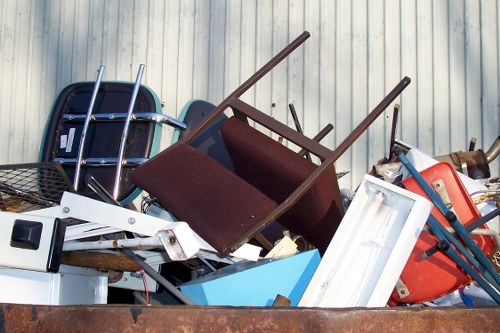
Some commercial jobs are driven by bulky items rather than loose rubbish. Furniture, appliances, shelving and display units can take up more room than their weight might suggest, and they often need careful lifting and sorting before transport. Removing those items promptly can free up storage areas, create safer walkways and make space for replacement stock or new equipment.
For more item-specific work, furniture clearance is useful when chairs, tables, cabinets and similar items need taking away, while furniture disposal suits the final removal of items that are no longer wanted or usable. If the business has old sofas, waiting-room seating or similar items, mattress and sofa disposal may be the more suitable route for those pieces.
Where items are still in usable condition, the conversation may still be about removal rather than breakdown, but the practical issue is the same: how to get large pieces out without unnecessary disruption. We aim to make the process orderly, with a sensible approach to lifting, loading and separating different materials where needed.
Specialist item removal within business waste
Some premises accumulate specific categories of waste that call for a narrower service description. Chilled equipment, white goods, worn bedding and similar items can be awkward to store and awkward to move, so it helps to identify them clearly before collection. The more precisely the job is described, the easier it is to treat the load in the right way from the start.
For that sort of work, fridge and appliance removal is relevant when electrical or cooling equipment needs to be taken away, and hazardous waste disposal is the appropriate page where the material involved needs careful consideration before movement or disposal. Not every job needs these specialist routes, but where they do apply, they should be treated separately from general rubbish.
Handling mixed loads sensibly
Mixed commercial loads can include a little of everything: cardboard, broken fittings, obsolete stock, unpackaged goods and items from a refurbishment. In that situation, the main decision is whether to divide the load by type or to arrange one collection that can cover several waste streams together. A sensible split often saves time and keeps the quotation more accurate, especially if heavier materials or awkward items are involved.
Waste removal for premises with storage areas

Storage rooms, garages and loft spaces attached to business premises often become holding points for items that were meant to be dealt with later. Once these spaces fill up, they start limiting what the premises can do day to day. Clearing them can recover usable room for stock, archive storage, tools or simply a cleaner operational layout.
Relevant services include garage clearance for ground-floor storage areas, and loft clearance where upstairs or roof-space access creates different handling considerations. In some cases, businesses also need flat clearance or home clearance style removal where a mixed property contains both domestic and business-related contents, though the exact fit depends on the premises and the material to be taken.
Before requesting a quotation, it helps to note which storage areas are involved and whether the contents are mostly general waste, reusable items or heavier materials. If access is tight, that information matters too, because it changes the practical plan for removal and loading. We can then approach the job with a more accurate understanding of the work required.
What a commercial quotation usually needs
A useful quotation starts with a clear picture of the waste itself. That means the type of material, the approximate amount, and whether the load is scattered around the premises or already gathered in one place. It also helps to know whether there are stairs, narrow access points, parking limits or any time restrictions that may affect collection. These details do not need to be perfect, but they should be practical.
Pricing and quotes gives a straightforward route for customers who want to understand how a quotation is put together, and book online may be useful where you already know the scope of the job and want to move things forward. If you are still planning the work, keep your notes simple and factual: what is to be removed, from where, and how much there is likely to be.
When businesses prepare well, the process becomes easier for everyone. A few sensible details can help determine whether the job is a straightforward collection, a mixed clearance or a more specialised removal. Good preparation is not about creating paperwork; it is about making sure the quotation reflects the real job rather than a guess.
Materials, recycling and sensible disposal choices
Commercial waste is rarely just one thing. Paper, cardboard, timber, plastics, metals and mixed rubbish may all appear in the same job, and each material may follow a different route once collected. Sorting where possible can improve the overall efficiency of the clearance and make it easier to understand what is being removed. It also helps to distinguish recyclable material from items that simply need disposal.
For customers who want a broader overview of sorting and recovery, recycling and sustainability explains the general approach to materials that can be separated from general waste. If you are dealing with contents from a business closure or a major tidy-up, house clearance may be relevant only where the premises and contents are genuinely domestic rather than commercial, while waste removal covers a more general service route.
The main point is to match the service to the material. Not every load should be treated the same way, and not every type of item belongs in the same collection. When the load is well described, the collection can be planned more clearly and handled in a way that suits both the premises and the waste itself.
Support for more involved commercial clearances
Some jobs involve a larger build-up of items and require more than a simple pick-up. Premises may have redundant contents in several rooms, a back store, or mixed waste left after reconfiguration. In those cases, the work is usually best approached as a structured clearance rather than a casual disposal run, because the order of removal matters.
Garage clearance can be useful where a business keeps spare materials or outdated items in a side area, while loft clearance suits top-floor or roof-space contents that are harder to reach. For a full property or larger internal area, flat clearance may be the better fit when the contents are more extensive and spread throughout the space. Each of these routes has a different practical emphasis, even though they all involve removal and disposal.
It is often better to think about the job by room or area instead of trying to describe everything as one vague load. That makes it easier to assess the scale of the work, identify any awkward items and decide whether the collection can be completed in one visit or should be planned in stages.
About Downham
Downham is a district in the London Borough of Lewisham in south-east London, shaped by its position between Bromley, Beckenham and the wider suburban edge of the capital. Much of the area is associated with interwar development, and its most recognisable streets reflect the planned residential character that took shape during the twentieth century. The district is also closely connected with Beckenham Hill and Grove Park, giving it a boundary feel that sits between inner London and the outer suburbs. Green spaces are an important part of the local landscape, with Beckenham Place Park standing out as a major nearby open area. The park is known for its large scale, wooded sections and the lake that forms part of its present-day landscape, while local roads and estates around Downham create a quieter residential setting than many central parts of the city. The area’s everyday character is shaped by local shops, schools, community facilities and transport links rather than by major tourist sights, but it still has a clear identity within Lewisham. As with many parts of London that expanded in the early twentieth century, its streets and housing tell a story of suburban growth, practical planning and later change, with a blend of older and newer elements visible across the district.
Choosing the right route for your waste
Not every customer needs the same type of collection, and that is why the service pages exist alongside the main business waste offering. A premises that needs desks, chairs and filing units removed may need a different approach from one clearing packaging, mixed rubbish or appliance waste. Using the closest match keeps the task well defined and prevents unnecessary assumptions about what the load contains.
Confidential shredding is relevant where paper records need secure destruction, and health and safety policy explains the standards that guide the work behind the scenes. For customers who want to understand how waste handling is organised, these supporting pages can be a useful way to see how different parts of the service fit together without confusing one type of job with another.
If you are not sure which route is best, begin with the main description of the waste and the premises. A short, accurate summary is usually enough to decide whether the job belongs under general business waste, a specific item-removal service or a larger clearance page. That is the simplest way to get a quotation that reflects the work properly.
Request a quotation for commercial waste in Downham
When you are ready to move forward, the quickest approach is to describe the waste plainly and ask for a quotation based on the actual job. Include the type of material, the approximate amount, the access available and any items that need special attention. If the waste is spread across several rooms or includes bulkier contents, mention that as well so the estimate can be based on the full scope.
For customers who want to compare the main commercial options first, about us can provide broader company background, while contact us is the best final step when you are ready to request a quotation or discuss the collection in more detail. Keep the request concise, practical and specific, and we can take it from there.
Request your quotation today and send the details of the job when you are ready. If you have a clear list, a rough volume estimate or simply a few notes about the premises, that is enough to start a sensible conversation about commercial waste removal in Downham.