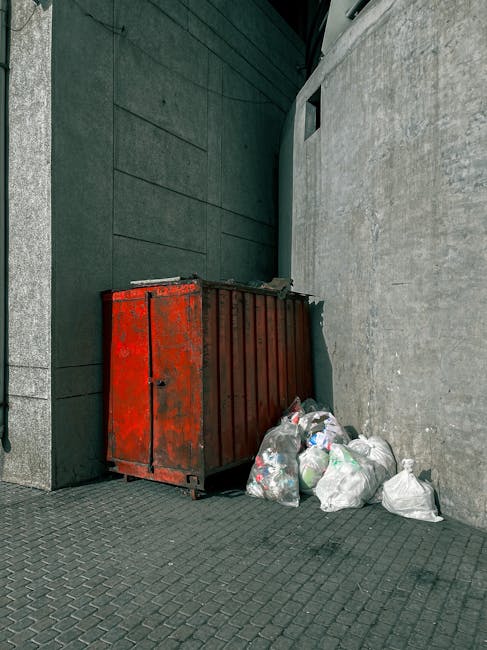
Bulk rubbish clearance BR1 streets estates tips
If you are trying to sort out bulk rubbish clearance in BR1 streets and estates, you already know it is rarely just about "getting rid of stuff." It is about access, timing, neighbours, parking, shared walkways, and making sure nothing awkward ends up blocking a narrow road or a communal bin area. Truth be told, the difference between a smooth clearance and a stressful one often comes down to a few small decisions made before the waste team arrives.
This guide gives you practical bulk rubbish clearance BR1 streets estates tips you can actually use. Whether you are clearing a flat, a family home, a garage, a garden, or a pile of mixed junk after a renovation, you will find clear steps, common mistakes, and local-minded advice that helps the job go faster and cleaner. No fluff. Just useful detail.
For a broader view of how organised removal services work, you may also find our page on waste removal services helpful, especially if your clearance is part of a wider tidy-up or move.
Table of Contents
- Why Bulk rubbish clearance BR1 streets estates tips Matters
- How Bulk rubbish clearance BR1 streets estates tips Works
- Key Benefits and Practical Advantages
- Who This Is For and When It Makes Sense
- Step-by-Step Guidance
- Expert Tips for Better Results
- Common Mistakes to Avoid
- Tools, Resources and Recommendations
- Law, Compliance, Standards, or Best Practice
- Options, Methods, or Comparison Table
- Case Study or Real-World Example
- Practical Checklist
- Conclusion
- Frequently Asked Questions
Why Bulk rubbish clearance BR1 streets estates tips Matters
Bulk rubbish clearance in BR1 is not the same as leaving a bag or two out for normal collection. Streets and estates often bring a few extra complications: shared access points, parked cars, tight turns, estate rules, and the simple fact that one person's "just for an hour" can become everyone else's obstacle for the day.
That is why a proper plan matters. If you are dealing with bulky household waste, old furniture, broken appliances, or mixed junk from a clear-out, the right approach saves time and reduces mess. It also helps avoid awkward situations like blocking a neighbour's entrance, leaving items where they could blow over, or making a job look half-finished. Nobody wants that on a wet Tuesday morning with wheelie bins already on the pavement.
There is also the simple issue of waste type. Some items can be loaded and removed together, while others need separate handling. For example, bulky furniture, mattresses, and fridges each come with different handling expectations. If you are unsure what can be taken together, our guide to what can go in a skip is a useful reference point, even if you are not actually booking a skip. The sorting logic is similar.
In practical terms, a good clearance plan helps you:
- keep estates and shared streets clear and safe
- reduce the time waste sits outside your property
- make collection quicker and more predictable
- avoid confusion about what gets removed
- support better recycling and reuse where possible
And yes, it can save a lot of awkward back-and-forth. That part alone is worth doing properly.
How Bulk rubbish clearance BR1 streets estates tips Works
At its simplest, bulk rubbish clearance is the organised removal of large or awkward waste items that are too big, too heavy, or too much for normal household collections. In BR1 streets and estates, that usually means planning for access, lifting, loading, and the final destination for the waste.
Here is how the process usually works in the real world:
- You identify the items. Separate furniture, appliances, bagged waste, garden debris, builders' offcuts, and anything unusual.
- You check access. Think about stairwells, lifts, parking, gated entrances, and whether the clearance team can get close enough to load safely.
- You decide what stays and what goes. This sounds obvious, but it is where many delays begin. A last-minute "oh, that can go too" can slow everything down.
- The team loads the waste. Good crews work systematically, starting with the largest items first so the van can be packed safely.
- Items are sorted for disposal, reuse, or recycling. Responsible operators will separate reusable and recyclable material where possible.
On estates, the process can also involve extra care around shared areas. For example, if a bulky sofa is being removed from a flat, the route out matters almost as much as the sofa itself. Corners, stair rails, and door frames can take a battering if no one plans ahead. A little patience saves damage. Simple, but true.
If your clearance includes home contents as part of a move, bereavement, or long-overdue declutter, our home clearance service page may also be useful for understanding the sort of items typically handled in one visit.
Key Benefits and Practical Advantages
People often think bulk rubbish clearance is just about speed. Speed matters, yes, but the real value is broader than that.
1. Less disruption on busy streets and estates
When rubbish is removed in one organised visit rather than in dribs and drabs, there is less clutter outside, fewer obstructions, and less chance of complaints from neighbours. That matters in close-knit estates where everyone notices what is going on.
2. Better safety
Loose junk, broken furniture, and stacked bags can create trip hazards. Wet weather makes this worse. In the BR1 area, where pavements and shared access spaces can get busy fast, safe handling is not optional.
3. Cleaner presentation
If you are preparing a property for sale, letting, or handover, a clear exterior and tidy access route make a real difference. People notice first impressions. Always have.
4. More efficient sorting
A decent clearance operator can separate bulky waste from recyclables and special items. That can improve the outcome for both you and the environment.
5. Fewer repeat trips
A properly planned removal is usually better value than several half-completed clearances. One load. One plan. Much less faff.
Expert summary: The best bulk clearance results usually come from good prep, accurate item lists, and clear access planning. Not from rushing. Not from overfilling bags. And definitely not from "we'll just wing it on the day."
Who This Is For and When It Makes Sense
Bulk rubbish clearance BR1 streets estates tips are useful for a lot of people, not just landlords or trades. In fact, the most common jobs are often from ordinary households trying to reclaim space.
This makes sense if you are:
- moving out of a flat or house and need a fast clear-out
- emptying a garage, loft, shed, or storage room
- dealing with old sofas, mattresses, wardrobes, or broken furniture
- tidying after renovation or light building work
- clearing a garden after a long season of overgrowth and old waste
- managing a probate, tenant handover, or sensitive family clearance
- sorting mixed rubbish from an office, shop, or small business premises
In estates, it is also common to have shared concerns that do not exist in a detached house. For example, one resident might have a heavy bed base to remove, while another needs old appliances taken away from a basement storage area. The logistics are different, even if the rubbish looks similar.
If you are clearing a flat or apartment-style home, our flat clearance page may also help you think through access, staircases, and the sort of items that tend to build up in compact spaces.
To be fair, if you only have a handful of small bags, you may not need a dedicated bulk clearance at all. But once items become bulky, heavy, or awkward, it usually becomes the sensible option.
Step-by-Step Guidance
Here is a practical process you can follow before booking or arranging removal.
1. Walk the space and list everything
Start with a proper look around. Open cupboards, check under stairs, glance at the loft hatch, the garage corner, the shed shelf. It is amazing how much "forgotten" waste appears when you look with a job-to-be-done mindset.
2. Separate bulky items from loose rubbish
Keep sofas, chairs, tables, mattresses, bags of rubbish, old carpet offcuts, and small mixed waste in different groups. This helps the removal team load faster and reduces confusion on arrival.
3. Flag anything special early
Fridges, freezers, appliances, sharp materials, or anything potentially hazardous should be identified in advance. If an item needs special handling, you do not want to discover that at the kerbside while the van is waiting.
If you have old appliances to remove, our fridge and appliance removal page is a helpful point of reference for those heavier, less forgiving items.
4. Clear access routes
Move bikes, planters, bins, and anything that could snag or slow the route. On estates, this often means checking shared corridors, rear pathways, and service entrances. A small obstacle can become a big nuisance very quickly.
5. Check parking and loading space
If the van cannot park close enough, lifting time increases and so does the risk of damage. If you are in a narrow street or estate with limited space, think about where loading can happen safely and legally. No one enjoys a last-minute parking shuffle.
6. Confirm what will be taken
Be precise. "The stuff in the spare room" is not as useful as "one wardrobe, two drawers, one mattress, four bags, and a broken desk chair." Specific lists help avoid surprises and keep the quote meaningful.
7. Keep important items aside
Documents, chargers, keys, remotes, and keepsakes can slip into the wrong pile easily. It happens. Put them somewhere obvious before the work starts, even if that means using a slightly daft-looking box in the hallway.
8. Decide what can be reused or recycled
Some items may still have life left in them. If furniture is usable, or if a lot of material can be recovered, it is worth asking about responsible sorting. Our recycling and sustainability page gives a good sense of the standards many customers now expect from a modern waste service.
Expert Tips for Better Results
A few small choices can make the whole job easier. The people who get the smoothest clearances usually do the boring prep first. That is the secret, really.
- Photograph the load before collection. It helps keep everyone on the same page about volume and item type.
- Break down what you safely can. Flat-pack furniture, if dismantled, is often easier to move than a full piece.
- Stack with logic. Heavier, sturdier items at the bottom. Loose, fragile, or awkward bits on top only if appropriate.
- Keep stairwells clear. On estates, shared stairs can become the bottleneck.
- Book for a quieter window if possible. Early slots often make access easier, though every estate is different.
- Use one clear staging area. A single point for all waste is better than scattering items around the front and back of the property.
- Ask about mixed loads. It is useful to know how furniture, mattresses, and general waste are handled together.
A small but useful tip: if you are clearing a room in a block of flats, leave the final bag count and the final furniture count until the morning of the job. That lets you do a last sweep for forgotten items. Coffee cup in hand, one more walk through the room, and suddenly there is another box of clutter by the wardrobe. Happens all the time.
For bulky chairs, sofas, or tired-looking three-seaters that have seen better days, our mattress and sofa disposal information may also be relevant, especially if your clearance includes soft furnishings.
Common Mistakes to Avoid
Bulk rubbish clearance problems are rarely dramatic. More often, they are little avoidable mistakes that pile up into delays.
- Leaving the prep too late. If you wait until the collection window to sort everything, you will probably miss something.
- Underestimating the volume. A few bulky items can fill a van quicker than expected, especially when they are oddly shaped.
- Mixing special waste with general rubbish. That creates handling issues and can slow the whole process.
- Blocking communal areas. Shared hallways and estate paths need to stay clear.
- Forgetting access details. Gated entrances, entry codes, and parking restrictions matter more than people think.
- Not checking what is included. If the load includes appliances or potentially hazardous items, mention them early.
- Assuming one person's estimate is enough. A proper visual check beats guesswork every time.
There is also the classic mistake of thinking "I'll sort the small stuff later." Later turns into never. Then the corner is still full of random bits, and nobody can work out why the job feels unfinished. Bit annoying, that.
Tools, Resources and Recommendations
You do not need specialist equipment to prepare for a bulk clearance, but a few simple things help a lot.
- Heavy-duty bags or boxes for loose items
- Marker pen and tape for labelling what stays and what goes
- Basic gloves for handling dustier or rougher items
- Measuring tape if you are checking whether large furniture can be moved through tight spaces
- A phone camera to photograph the load or tricky access points
From a service-planning perspective, it can also help to look at pages that explain the wider disposal process. If you are comparing different disposal approaches, our furniture disposal page is useful for understanding how individual items can be handled as part of a larger clearance.
And if your project includes household or commercial paperwork, do not leave confidential files mixed in with general junk. Separate them early. For that, confidential shredding is the relevant option to review rather than tossing documents into a general pile.
Law, Compliance, Standards, or Best Practice
Waste handling in the UK is shaped by legal duties, duty of care expectations, and common-sense safety standards. You do not need to become a waste lawyer to make good decisions, but you do need to know the basics.
Duty of care matters. In plain English, waste should go to a legitimate, appropriate destination, and it should be managed responsibly from collection onwards. That includes being careful with special items, not dumping waste illegally, and keeping the process traceable where required.
Shared spaces need extra caution. On streets and estates, you should avoid creating hazards in communal areas, blocking emergency access, or leaving items where they could fall or spread. Sounds obvious, but it is exactly where careless clearances go wrong.
Some items need special handling. Fridges, appliances, and certain waste types can require extra care because of materials, components, or safety issues. Hazardous or tricky items should be separated and discussed upfront.
Safety comes before speed. A fast job is great. A safe job is better. In practice, that means using sensible lifting methods, keeping routes clear, and not forcing oversized items through tight spaces if there is a better way.
For customers who value transparent working practices, it is also reasonable to check service standards, insurance, and how a company approaches safety. You can read more about those principles on our insurance and safety page and our health and safety policy page. Those pages are not just formalities; they tell you something about how work is handled day to day.
Options, Methods, or Comparison Table
There is no single right way to clear bulk waste. The best method depends on volume, item type, access, and how quickly the space needs to be cleared.
| Method | Best for | Pros | Possible downsides |
|---|---|---|---|
| One-off bulk clearance | Furniture, mixed household waste, estate clearances | Simple, fast, usually less disruption | May require good prep and clear access |
| Skip-based approach | Ongoing renovation or predictable waste | Useful for staged loading | Needs space, permits may be relevant, can be overkill for small jobs |
| Self-haul to a facility | Smaller volumes and people with transport | Direct control over sorting | Time-consuming, tiring, not ideal for bulky items |
| Phased clearance | Large homes, long-term declutters, probate | Emotionally manageable, flexible | Takes longer and needs coordination |
If you are considering whether a skip is actually the better route, our what can go in a skip guide is a good way to compare item types before you decide. It can save you choosing the wrong method for the job.
For trade-related jobs or renovation waste, the clearer the load is, the easier it becomes to match the right service. For example, a pile of timber and plasterboard from a refurb will feel very different from a room full of old furniture. Same van? Maybe. Same planning? Not quite.
Case Study or Real-World Example
A typical BR1 estate clearance might start with a resident in a first-floor flat who has accumulated an old wardrobe, a mattress, a broken desk, several bags of mixed junk, and a couple of appliance items in the kitchen. Nothing dramatic. Just a lot of stuff that has outgrown the flat.
The issue is not the quantity alone. It is the route out. The stairwell is narrow, the lift is small, and the estate parking gets busy by mid-morning. So the best approach is not to drag everything out in a rush. Instead, the resident stages the items in one room, clears the hallway, checks the access code, and moves bikes away from the entrance the night before.
On the day, the removal team can get straight to work. The large wardrobe comes out first, then the mattress, then the loose bags. The appliance items are separated so they can be handled correctly. The whole job takes less time than expected because nobody is trying to work around clutter, and no one has to stop halfway to figure out what stays behind.
That is the pattern you see again and again. Good prep saves time. Good access saves hassle. And a little respect for the shared space keeps everybody calmer, which is never a bad thing on a busy street.
Practical Checklist
Use this simple checklist before your bulk rubbish clearance:
- Walk through the property and list all bulky items
- Separate furniture, bags, appliances, and special waste
- Clear hallways, stairwells, and shared access points
- Check parking, gate codes, and access restrictions
- Move valuables, documents, keys, and keepsakes aside
- Break down flat-pack items where safe and sensible
- Take photos of awkward items or tight access points
- Confirm whether mattresses, sofas, or appliances are included
- Decide which items could be reused, donated, or recycled
- Leave a clear staging area for the collection team
If you are dealing with a loft or storage-heavy property, our loft clearance page may also give you a useful sense of the preparation needed for awkward, dusty, or forgotten spaces.
And for homes with a lot of general clutter rather than just a few large items, house clearance may be the better fit, especially if the job stretches across multiple rooms.
Conclusion
Bulk rubbish clearance in BR1 streets and estates works best when you treat it as a small project, not a last-minute tidy-up. Think about access, item type, shared spaces, and the actual path from the property to the van. Do that, and the whole experience becomes far more straightforward.
The main takeaway is simple: the better the prep, the better the clearance. Sort early, keep routes clear, flag special items, and choose a method that fits your space rather than forcing the wrong one. That is how you avoid mess, reduce stress, and get your place back to normal without the usual drama.
Get a free quote today and see how much you can save.
Whether you are clearing a single flat, an entire family home, or a shared estate access route that needs careful handling, a calm, organised approach will always pay off. Small effort now. Much easier day later.
Frequently Asked Questions
What counts as bulk rubbish clearance in BR1 streets and estates?
It usually means the removal of large, heavy, awkward, or high-volume waste that does not fit normal household collections well. That includes furniture, mattresses, appliances, bagged junk, and mixed property waste.
Do I need to sort items before bulk rubbish clearance?
Yes, as much as you reasonably can. Sorting bulky furniture, bagged waste, appliances, and special items separately makes the job quicker and helps avoid confusion on the day.
Can bulky waste be removed from flats and estates with tight access?
Usually, yes, but access needs to be planned carefully. Stairwells, lifts, parking, and communal areas all affect how smoothly the clearance can happen.
What should I do with fridges, freezers, and other appliances?
These should be identified early because they often need separate handling. It is better to mention them upfront rather than leaving them as a surprise on collection day.
Is it better to use a skip or a bulk rubbish clearance service?
It depends on the job. Skips suit staged loading and some renovation work, while bulk clearance is often better for furniture, mixed household items, and estates with limited space.
How can I prepare for a clearance in a shared estate?
Clear corridors, check access points, move bikes or bins, confirm parking arrangements, and keep the load in one staging area. On estates, small details make a big difference.
What items are commonly included in a bulk clearance?
Sofas, tables, wardrobes, beds, mattresses, old boxes, broken chairs, garden waste, and mixed household clutter are all common. The exact mix depends on the property and the reason for the clearance.
Can I include confidential papers or sensitive documents?
You should keep those separate. Confidential paperwork is better handled through a dedicated shredding option rather than mixed into general rubbish.
How do I avoid upsetting neighbours during clearance?
Keep access routes tidy, avoid blocking entrances, and try to keep noise and clutter to a minimum. A little courtesy goes a long way, especially on busy streets and close estates.
What if I am not sure everything will fit in one load?
Give a full description or take photos in advance if possible. An accurate estimate helps set expectations and reduces the chance of needing a second visit.
Are there any items I should not just mix with normal waste?
Yes. Appliances, hazardous materials, and certain special items should be identified separately. If in doubt, it is safer to ask before collection day.
What is the best time to arrange bulk rubbish clearance?
Choose a time that works with parking, access, and building activity. In many cases, quieter periods are easier, but the best slot depends on your street or estate setup.
If you want to understand the company behind these services, you can also read more on our about us page or review our pricing and quotes information before you decide. If anything is still unclear, our contact page is there when you need it.
At the end of the day, a well-run clearance should leave you with space, relief, and a bit of breathing room again. That quiet feeling when the corner is finally empty? Hard to beat.