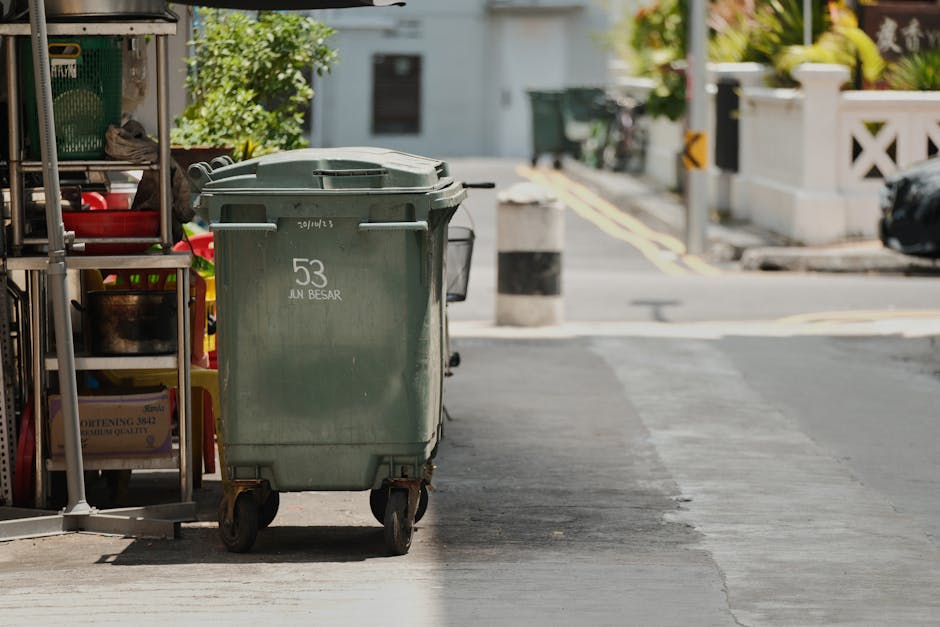
Commercial waste pickup Downham Village Green for shops
If you run a shop near Downham Village Green, waste has a habit of appearing at the worst possible moment. A burst of packaging after delivery day, broken display fixtures, food waste from a small cafe counter, old stock that can't be sold, cardboard that's started to creep into the back corridor - it all builds up fast. Commercial waste pickup Downham Village Green for shops is about keeping that flow under control without turning your premises into a storage cupboard for bin bags. Done well, it keeps your frontage cleaner, your staff happier, and your customer experience a lot less messy.
This guide breaks down how the service works, who it suits, what to watch out for, and how to choose a practical setup that fits a real shop, not a perfect spreadsheet version of one. Let's face it, most retail spaces are busy, a bit cramped, and always one delivery away from chaos.
For broader business waste support, you may also find the approach described on the business waste removal page useful, especially if your shop shares space with an office, stockroom, or prep area.
Table of Contents
- Why Commercial waste pickup Downham Village Green for shops Matters
- How Commercial waste pickup Downham Village Green for shops Works
- Key Benefits and Practical Advantages
- Who This Is For and When It Makes Sense
- Step-by-Step Guidance
- Expert Tips for Better Results
- Common Mistakes to Avoid
- Tools, Resources and Recommendations
- Law, Compliance, Standards, or Best Practice
- Options, Methods, or Comparison Table
- Case Study or Real-World Example
- Practical Checklist
- Conclusion
- Frequently Asked Questions
Why Commercial waste pickup Downham Village Green for shops Matters
A shop is not a house. That sounds obvious, but in waste terms it makes a huge difference. Retail premises generate waste steadily throughout the day, not just once a week. Packaging arrives, packaging leaves. Old shelving gets swapped out. Damaged stock appears. A takeaway counter might add food waste, while a boutique might fill bags with tissue paper, hangers, and cardboard. If nobody keeps on top of it, the back room starts to feel smaller by the hour.
Waste matters for shops because it affects more than cleanliness. It affects how customers see your business, how safely staff can move around, and whether you're able to work without interruptions. A cluttered bin store or piled-up stock area can become awkward quickly. You know the sort of thing: someone has to step over a flattened box while carrying a tray of stock, and suddenly that small inconvenience turns into a safety issue.
There's also a commercial side. Poor waste handling can mean more labour spent moving rubbish around, more missed collections, and more last-minute disposal jobs that cost more than they should. A reliable pickup routine gives you predictability. That alone is worth a lot when you're trying to keep a shop running smoothly on a busy street or parade.
For retailers with regular stock turnover, commercial waste pickup is not just cleanup. It becomes part of operational rhythm, a bit like opening, cashing up, or checking deliveries. Not glamorous, no. But essential.
How Commercial waste pickup Downham Village Green for shops Works
In practical terms, the service is usually arranged as a scheduled or on-demand collection of business waste from your premises. The exact setup depends on what your shop produces, how much space you have, and how often waste builds up. A small newsagent with steady cardboard might need a very different arrangement from a busy convenience store, salon, or independent fashion shop.
The process normally starts with identifying the waste streams. Shops often generate a mix of recyclable and non-recyclable materials. Common examples include cardboard, plastic wrap, broken packaging, unsold goods, damaged fixtures, small items of furniture, and sometimes electrical appliances. If you handle food or chilled items, appliances and hygiene-related waste may also come into play. For more awkward items, services such as fridge and appliance removal can be relevant when equipment stops working or is no longer needed.
Once the waste type is clear, the collection method can be matched to it. Some businesses need regular pickups to stop accumulation. Others prefer a one-off clearance after a refit, stock change, or end-of-lease tidy-up. If the issue is more about a full reset than day-to-day rubbish, a wider waste removal service may be a better fit than a standard bin collection alone.
Pickup timing also matters. Shops near busy local areas usually prefer collections outside customer peaks, so staff are not wheeling bags through the front just as people arrive. Early morning and quieter trade windows are usually easier, though every business is different. The aim is simple: keep waste moving out without disrupting the trading floor.
And one practical point many people miss: access. If your waste has to pass through narrow corridors, shared entrances, or a rear yard with poor parking, the collection method has to account for that. A tidy service on paper can become awkward very quickly if the team cannot safely reach the load.
Key Benefits and Practical Advantages
The most obvious benefit is a cleaner shop. But the real value goes deeper than that. A good pickup arrangement helps you protect time, keep staff focused, and reduce the small frictions that add up over a week.
- Better presentation: Customers notice clutter, even if they don't consciously think about it. A clear shopfront and back area signal care and competence.
- Improved safety: Waste left in walkways, stock rooms, or service areas creates trip hazards and fire load concerns.
- More usable space: In many shops, space is so tight that one extra pile of boxes can block a whole working corner.
- Less staff stress: If rubbish has a set pickup rhythm, staff are not left improvising with overflowing bags or half-broken packaging.
- Better recycling separation: When cardboard, plastic, and general waste are sorted properly, recycling becomes easier and more consistent.
- Lower disruption: Planned collections are usually less disruptive than emergency clearances after the back room has become unmanageable.
There's also a quieter benefit that often gets overlooked: morale. Staff generally prefer working in a business that feels under control. Nobody enjoys being asked to squeeze past yesterday's packaging mountain while trying to serve customers. A tidy environment is not just aesthetic. It changes the mood of the place.
Expert summary: For shops, the best waste pickup setup is rarely the biggest one. It's the one that fits your trading pattern, access limits, storage space, and peak hours without creating extra work.
Who This Is For and When It Makes Sense
This kind of service makes sense for a wide range of shops, especially those that generate waste every day rather than once in a while. If you manage a corner shop, mini-market, salon, pharmacy, boutique, off-licence, takeaway, or independent local retailer, chances are you already know how quickly waste can build up.
It also makes sense in a few specific situations:
- you've just opened and need a sensible waste routine from day one
- you've expanded stock or increased deliveries
- you're refurbishing, rebranding, or changing fixtures
- you share back-of-house space with another operator
- you've had recurring issues with overflowing bins or missed clearances
- you need a one-off bulk collection after a clear-out
If your shop includes offices, paperwork, or admin storage, confidential items may also need special handling. In that case, confidential shredding can be a sensible addition, especially for businesses holding invoices, customer records, or staff documents.
Truth be told, not every shop needs the same service level. A tiny kiosk and a larger retail unit can both be "shop waste" in theory, but in practice they can need very different collection rhythms. That is where a local, flexible approach tends to help.
Step-by-Step Guidance
If you want a pickup arrangement that actually works in daily life, not just on an invoice, the best approach is to think in steps.
- Audit your waste
Look at what your shop throws away over a normal week. Separate cardboard, plastics, general waste, food waste, damaged stock, and bulky items. If you are not sure, keep a simple note for a few days. It's boring, yes, but useful.
- Check access and storage
Where will waste be stored before collection? Is there a rear yard, a side passage, a bin store, or only the back of the shop? Can collection teams access it without blocking customers or neighbouring businesses?
- Decide on frequency
Some shops need multiple collections per week. Others do fine with a planned one-off pickup or less frequent routine. The right frequency should prevent overflow without paying for capacity you don't use.
- Separate waste streams where possible
Keep recyclable cardboard and plastic clean and separate from general rubbish. A box of greasy paper towels mixed with cardboard makes life harder than it needs to be.
- Book the right service type
If you have a one-time clear-out, use a clearance-style solution. If you need regular business collections, set a recurring pickup structure. For larger stockroom clearances, a service like office clearance may also be useful when the shop includes admin or back-office areas.
- Prepare the waste safely
Flatten boxes, stack bulky items sensibly, bag loose rubbish, and keep access routes clear. Do not leave sharp or heavy waste loose on the floor.
- Review after the first pickup
After the first collection or two, check whether the timing, volume, and placement are working. A small adjustment now can save repeated irritation later.
That final review step matters more than people think. Sometimes the first setup is almost right, but not quite. A bin position can be just a metre too far from the exit, or a weekly frequency can be fine in winter but not on busy summer weeks. Little things, but they matter.
Expert Tips for Better Results
Over time, the smoothest shop waste systems tend to share a few habits. They are simple habits, but they work.
- Assign responsibility: one person should own waste checks, even if the whole team helps.
- Label collection areas: a marked space for cardboard, general waste, and bulky items reduces mess.
- Flatten packaging immediately: don't wait until the end of the week when the pile has become a small cardboard tower.
- Keep wet waste away from recyclables: once materials are contaminated, they are harder to handle properly.
- Plan around deliveries: waste often spikes after stock comes in, so collections should make room for that.
- Watch for seasonal changes: Christmas, sale periods, and local events can all increase waste volume in retail spaces.
One very practical trick: make a five-minute closing routine for waste. Not a grand policy, just a short end-of-day sweep. Staff empty loose bins, flatten boxes, move anything bulky into the designated spot, and check the route is clear. It sounds basic because it is basic. Basic is good when it works.
If your shop handles bulky discarded furniture, shelves, or old displays, the right route may be a more specialised clearance such as furniture disposal or furniture clearance. That is often simpler than trying to stretch a standard collection beyond what it was designed for.
Common Mistakes to Avoid
Most waste problems in shops are not dramatic. They're usually the result of small decisions repeated a bit too long.
- Waiting until bins overflow: by then, the system is already behind.
- Mixing recyclable and non-recyclable waste: this creates avoidable contamination and extra sorting work.
- Ignoring access problems: if the pickup team cannot safely reach the waste, the collection becomes slower or more expensive.
- Using the wrong service for bulky items: a broken fridge, display unit, or large sofa needs a suitable disposal route.
- Forgetting about compliance documents: businesses should keep clear records of waste handling and service arrangements where appropriate.
- Assuming one frequency fits all year: shops often need different waste rhythms in peak and quiet periods.
A common one, and it really is common, is hiding waste "just for now" behind the stockroom door. It feels harmless at first. Then somebody stacks something else in front of it. Then the door barely opens. Then you are trying to retrieve it with one elbow wedged against a mop bucket. A tiny farce, until it isn't.
Another mistake is treating hazardous or specialist waste like ordinary rubbish. That is not just untidy; it can create safety and legal issues. If you are dealing with anything potentially hazardous, use the correct route such as hazardous waste disposal.
Tools, Resources and Recommendations
You do not need a complicated system to run shop waste well. In most cases, a few practical tools are enough.
- Wheelie bins or sealed containers: useful for keeping waste contained and easier to move.
- Cardboard cutters or box knives: helpful for breaking down packaging safely.
- Labelled sacks or crates: good for separating general waste, recyclables, and special items.
- Simple collection log: a notebook or digital record showing pickup dates, issues, and volume trends.
- Storage signage: makes it easier for staff to place waste in the right area.
For businesses trying to reduce waste rather than just manage it, the recycling and sustainability guidance can help frame better habits, especially if your shop is aiming to recycle more cardboard, packaging, or furniture parts where possible.
And if you are comparing what should go in a skip versus what should be collected separately, the page on what can go in a skip is a useful sanity check. Not everything bulky is best handled the same way.
Law, Compliance, Standards, or Best Practice
When it comes to business waste in the UK, the safest approach is to treat waste as a managed part of the business, not an afterthought. Shops are expected to handle waste responsibly, keep premises safe, and use appropriate disposal methods for the waste they generate. The exact requirements can vary depending on the material, how it is stored, and whether it is general, recyclable, bulky, or hazardous.
Best practice usually means a few straightforward things: keep waste separated where practical, avoid blocking fire routes or public access, protect staff from sharps or heavy lifting risks, and make sure the service you use is suitable for the waste type. If you store waste temporarily on-site, do so in a way that does not create pest issues, odour problems, or prevent cleaning.
Documentation matters too. Businesses should retain sensible records of waste arrangements and check that the provider operates safely and professionally. If your shop handles cleaning chemicals, electrical items, refrigeration units, or anything with specialist disposal requirements, take extra care. It's one of those areas where "I think it's fine" is not quite enough.
Internal policy also counts. A short written routine for staff can be enough: what goes where, who checks the area, when collections happen, and what to do when something unusual appears. Plain English. No drama. Just enough structure to prevent mistakes.
For peace of mind, many business owners also look closely at insurance and safety information and the company's health and safety policy before arranging collections. That's not overcautious; it's sensible.
Options, Methods, or Comparison Table
Different shop waste situations call for different methods. Here is a simple comparison to help you choose the right direction.
| Option | Best for | Strengths | Watch out for |
|---|---|---|---|
| Regular commercial waste pickup | Shops with steady day-to-day waste | Predictable, tidy, easy to plan around trading hours | Needs good sizing and frequency planning |
| One-off waste removal | Clear-outs, refits, stock changes | Flexible, fast, useful for bulky build-ups | Less efficient if used for constant small waste |
| Specialist item removal | Fridges, appliances, furniture, awkward items | Safer for non-standard waste, more appropriate handling | Requires the correct service for the item type |
| Mixed approach | Busy shops with varied waste streams | Practical, tailored, handles both routine and bulk waste | Needs clear planning so nothing gets missed |
In many real-world shops, a mixed approach is the most realistic. For example, regular collections for packaging and general waste, plus an occasional clearance for old shelving, a broken display unit, or redundant stock. That combination keeps the day-to-day smooth without making every problem someone else's emergency.
Case Study or Real-World Example
Picture a small independent shop near Downham Village Green. It receives deliveries three mornings a week, sells packaged goods, and keeps a modest stockroom at the back. At first, the team tries to manage waste with a single bin and a couple of loose sacks. It works fine for a while. Then Christmas arrives, stock increases, cardboard piles up, and the back corridor starts to feel like a squeezing match.
The owner decides to put in a simple routine. Cardboard gets flattened immediately. General waste goes into sealed bags. Old promotional material is removed weekly. One area in the stockroom is marked for bulk items and checked before collection day. Later, when a refrigeration unit fails, the business arranges a separate appliance removal rather than leaving it to sit around "until someone has time."
The result is not dramatic, but it is noticeable. Staff spend less time moving rubbish around, deliveries are easier to put away, and the shop no longer has that slightly panicked look in the late afternoon. That kind of improvement is real. Quiet, practical, valuable.
If you are planning a broader premises reset, a page like builders waste clearance may be useful during refits or shop alterations, when packaging and construction debris can quickly mix together.
Practical Checklist
Use this checklist before you set up or review your shop waste pickup arrangement.
- Have you identified your main waste types?
- Do you know where waste will be stored before collection?
- Is access safe for staff and collectors?
- Are recyclable materials being kept separate where possible?
- Do you have a pickup rhythm that matches trading volume?
- Have you planned for busy seasons or delivery spikes?
- Are bulky items handled with the correct service?
- Do staff know what goes where?
- Have you checked the policy and safety information relevant to the service?
- Is there a simple way to review what is and is not working?
If you can tick most of those boxes, you are already ahead of many shops. If not, no panic. This is one of those systems that gets better quickly once the basics are in place.
Conclusion
Commercial waste pickup Downham Village Green for shops is really about control. Control of space, control of safety, control of routine, and control of the little messes that can quietly drain time from the business. Whether your shop needs regular pickups, a one-off clearance, or a mixed approach with specialist item removal, the best setup is the one that fits how you actually trade.
Keep it simple, keep it safe, and keep it consistent. That combination usually wins.
Get a free quote today and see how much you can save.
And if you are still deciding, that is perfectly normal. The right waste setup should feel like a relief, not another task on the list. Once it clicks, you will notice the difference every day - quietly, but properly.
Frequently Asked Questions
What is commercial waste pickup for shops?
It is the collection and removal of business waste generated by retail premises, such as cardboard, packaging, general rubbish, bulky items, and sometimes specialist materials. For shops, it usually focuses on keeping trading and back-of-house areas clear without disrupting customers.
How often should a shop arrange waste pickup?
That depends on the amount of waste your shop produces. A small shop may only need periodic collections, while a busier retailer may need several pickups a week. The right frequency is the one that prevents overflow without wasting money on unused capacity.
Can I mix cardboard with general waste?
You can, but it is usually better not to. Clean cardboard and packaging are often easier to recycle when kept separate. Mixing it with food waste, liquids, or general rubbish can make disposal less efficient and more costly in practice.
What happens to bulky shop waste like old shelving or displays?
Bulky waste is usually handled through a clearance-style service rather than ordinary waste collection. Items like shelving, counters, and display units need to be moved safely and matched to the right disposal route. Otherwise the process gets awkward very quickly.
Is commercial waste pickup suitable for small independent shops?
Yes, absolutely. In fact, small shops often benefit a lot because they have limited storage space. A simple pickup routine can stop waste taking over the stockroom or rear entrance.
What should I do with old fridges or appliances from the shop?
Appliances should be handled through a suitable specialist route, not left with general waste. A dedicated appliance removal service is a better fit for items like fridges, freezers, and other equipment that needs proper handling.
Do shops need to keep waste records?
It is good practice to keep sensible records of waste arrangements and service details. The exact paperwork needed can vary, but having a clear record helps with accountability, checks, and day-to-day management.
What if my shop has a very tight access route?
That is common, especially in older premises or smaller retail units. The key is to plan access before collection day, so waste can be moved safely and without blocking customers, neighbours, or fire routes.
Can waste pickup be arranged after a shop refit or clear-out?
Yes. For refits, stock changes, or end-of-lease clearances, a one-off waste removal or builder-style clearance is often the better option. It handles the bulkier debris that regular collections are not designed for.
How do I reduce waste costs in a shop?
Flatten packaging, separate recyclables, avoid overfilling bins, and match collection frequency to real waste output. A lot of avoidable cost comes from poor sorting or from booking more capacity than the shop actually needs.
What should I ask before choosing a provider?
Ask what waste types they handle, how they manage access, whether they can support bulky items, how collections are timed, and what safety and insurance information they provide. A good provider should make the process feel straightforward, not hazy.
Is commercial waste pickup disruptive to customers?
It does not have to be. With sensible timing, clear access, and a tidy pickup area, collections can happen with very little disruption. Early morning or quieter trading windows usually work best for shops.